
Disclaimer: This is a modified case study for an assignment within the INFO 464 course at the University of Washington. Full case study coming soon.
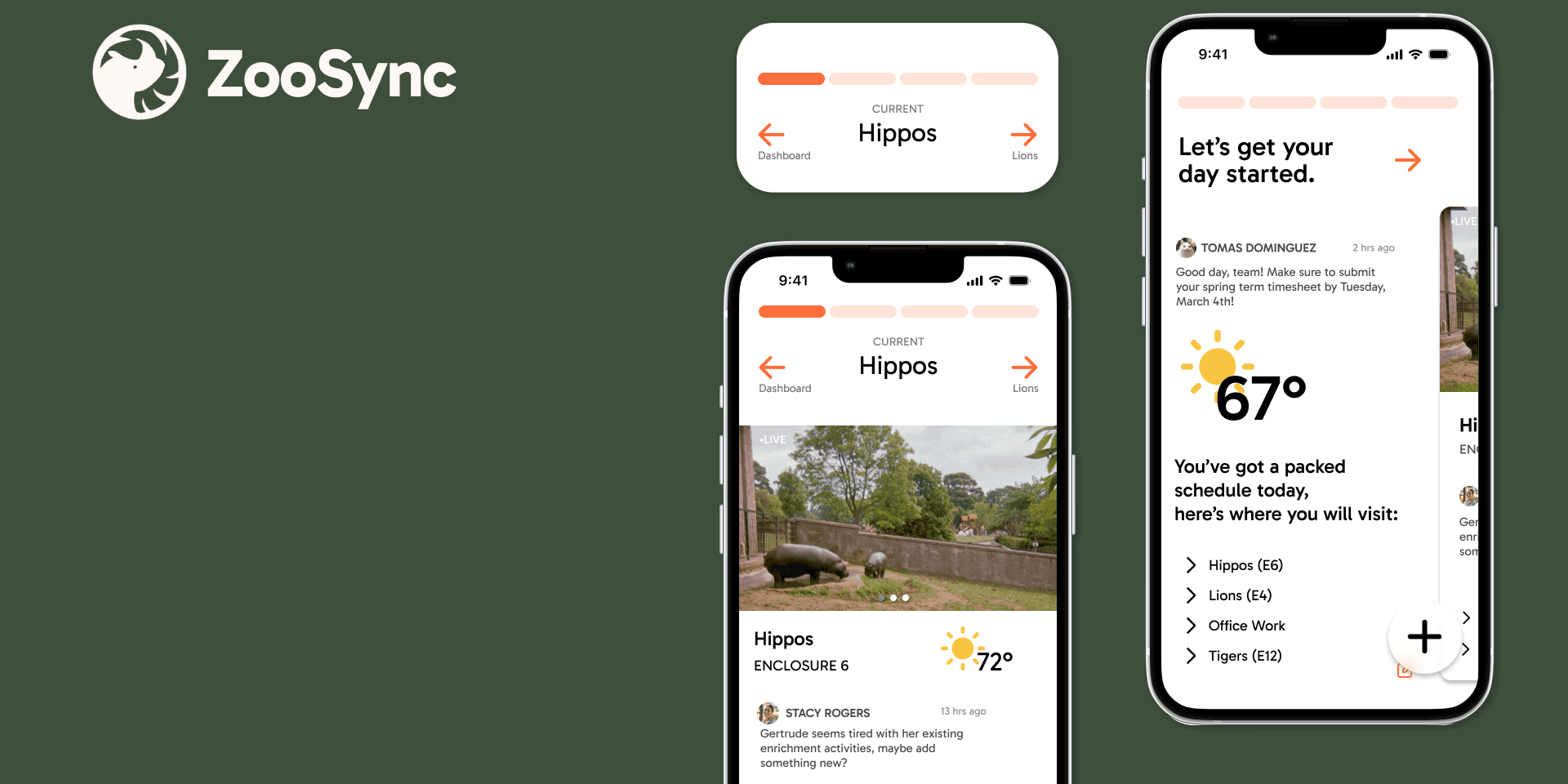
Taming the Chaos of Daily Zookeeping
ZooSync, The Zookeeper Tasks App
THE PROBLEM
"A lot of zoo keeping is in the stone age in terms of data management and logging of information"
OVERVIEW
Zookeepers juggle everything from whiteboards to WhatsApp just to track daily tasks. This fragmentation impacts keepers, veterinarians, and animals by creating inefficiencies and increasing the risk of missed or delayed care. In my interface design class, my team set out to create one streamlined, centralized zookeeping platform.
SKILLS
DESIGN RESEARCH, INTERFACE DESIGN
TEAM
DASHA ORLOV, JANA RADWAN,
TAM TRAN, JOY YAO
TIMELINE
5 WEEKS - 2025
TOOLS
FIGMA
How might we create an app that improves zookeeper workflows in order to make animal care more efficient and intuitive?
SOLUTION

A linearized workflow tool designed to reduce task fragmentation and support reliable, collaborative animal care.
Demo Video - Voiced over by Dasha Orlov
Key Features
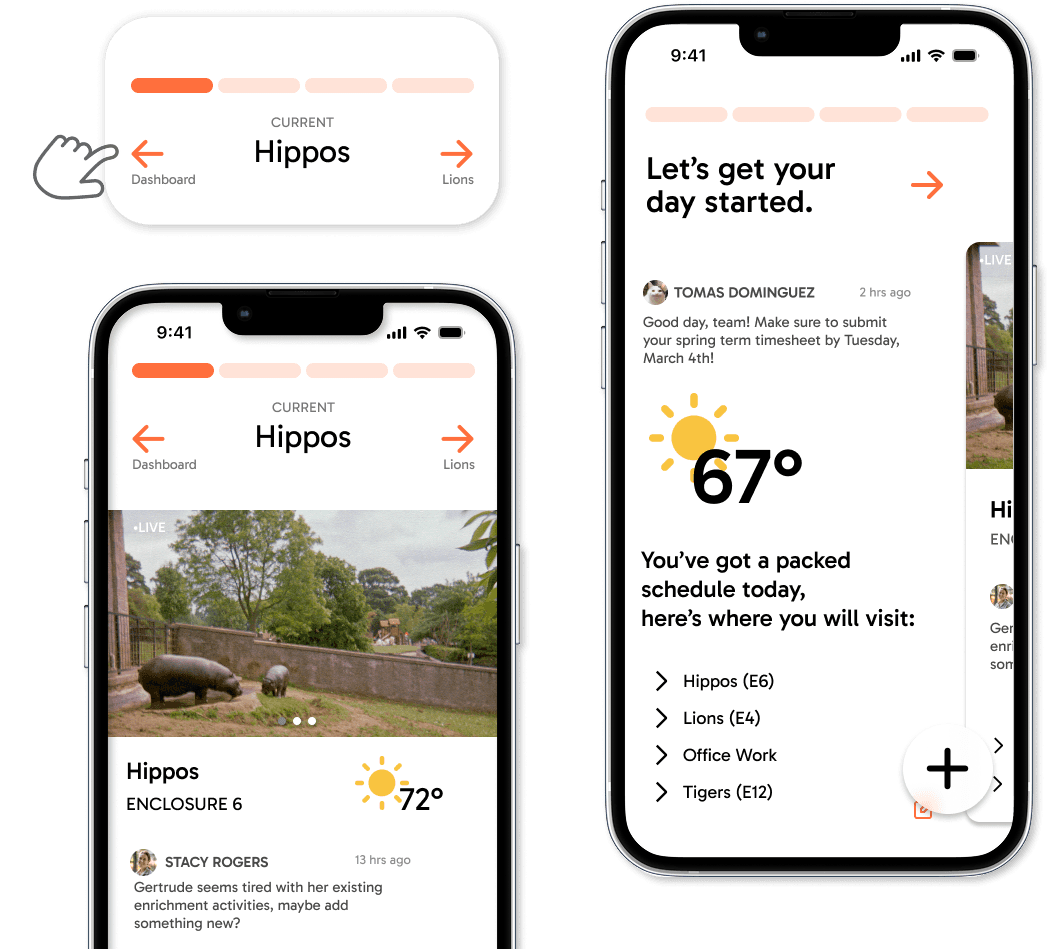
Task Navigation Bar
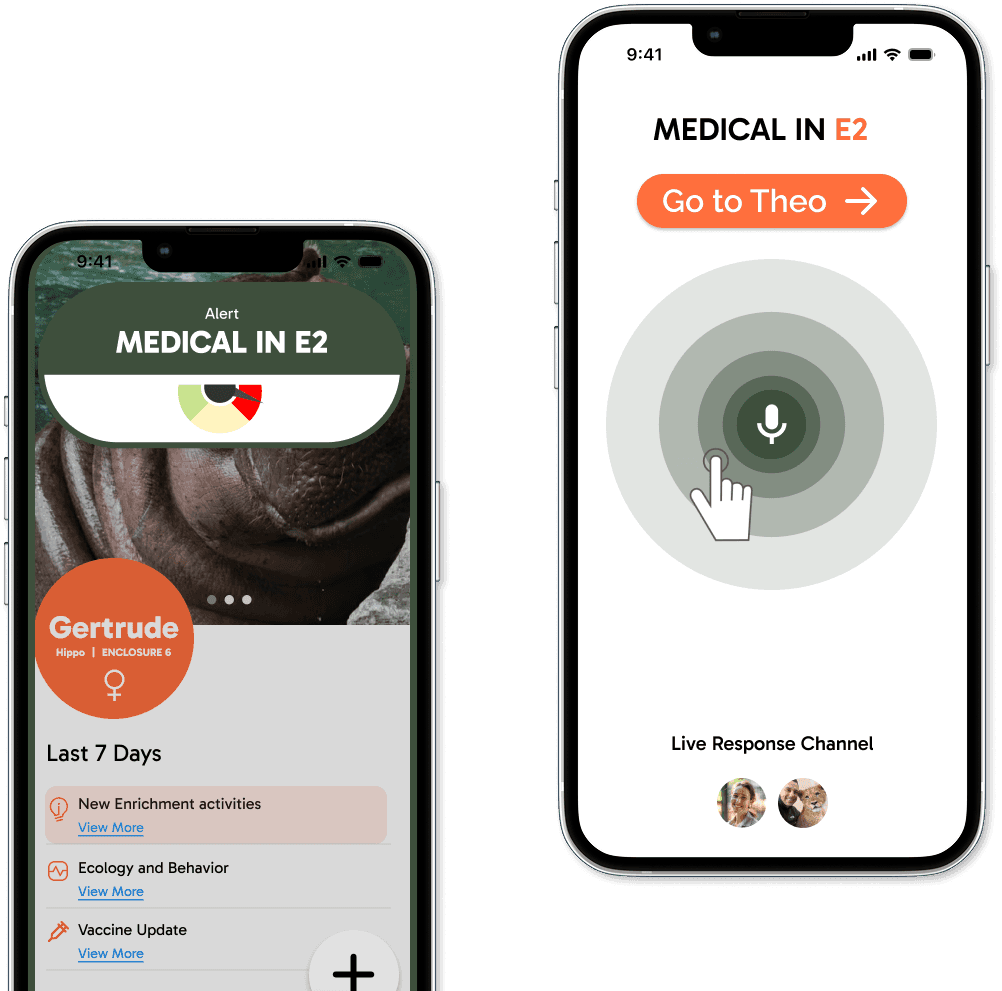
Stay focused and stay efficient. The Task Navigation Bar optimizes screen space while keeping zookeepers on track.
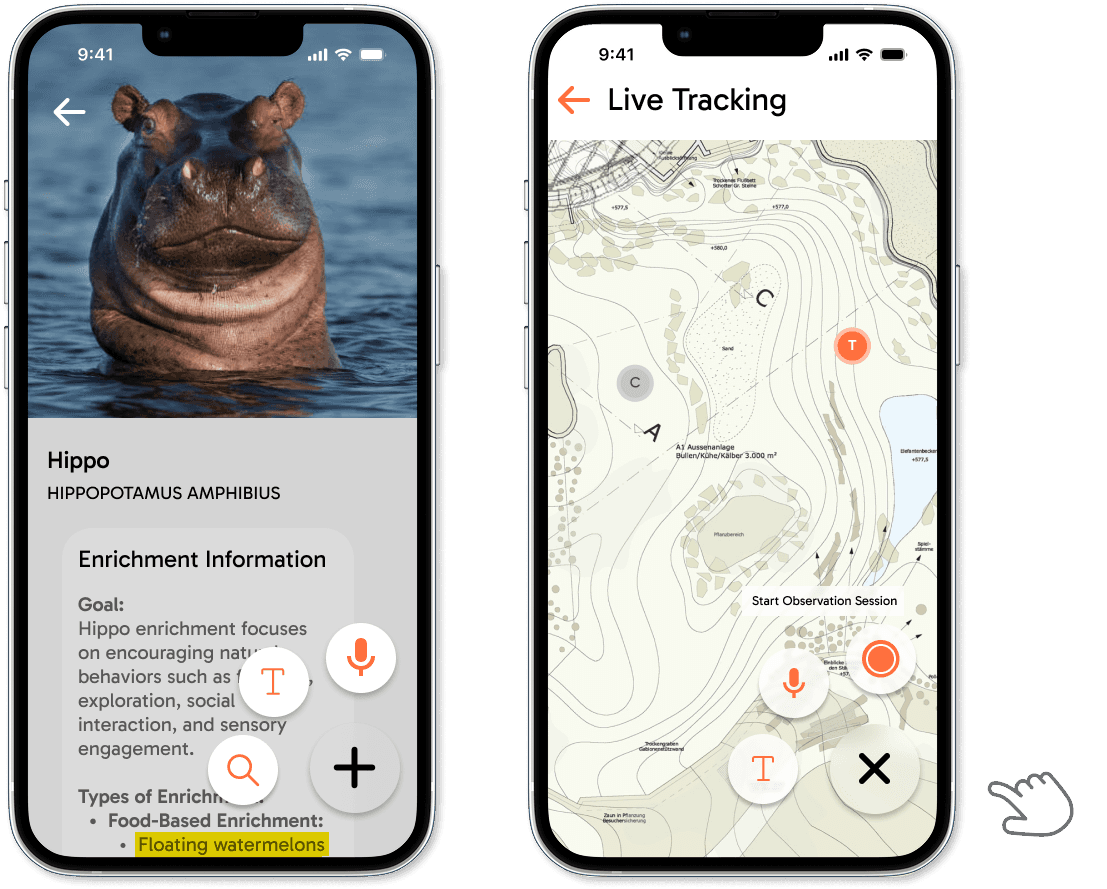
Floating Plus '+' Button
The context-aware floating action button provides
quick and intuitive access to key features, minimizing navigation time.
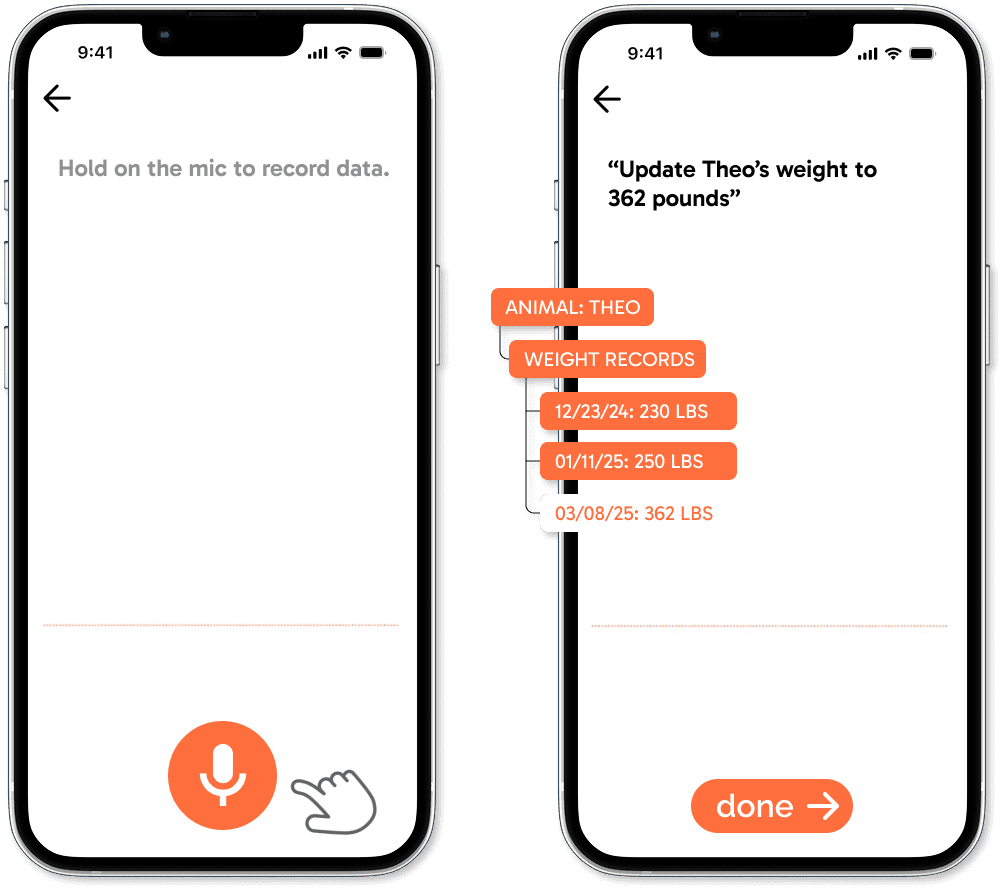
Voice Input
Simplifying data logging, hands-free. Built to streamline workflows and empower zookeepers, reducing effort while maximizing the animal's care quality.
Emergency Alerts
Designed to minimize response time and maximize animal safety, ensuring that emergencies are handled with precision and care. To make sure emergencies are handled with “all hands on deck”.
Stakeholders & Values
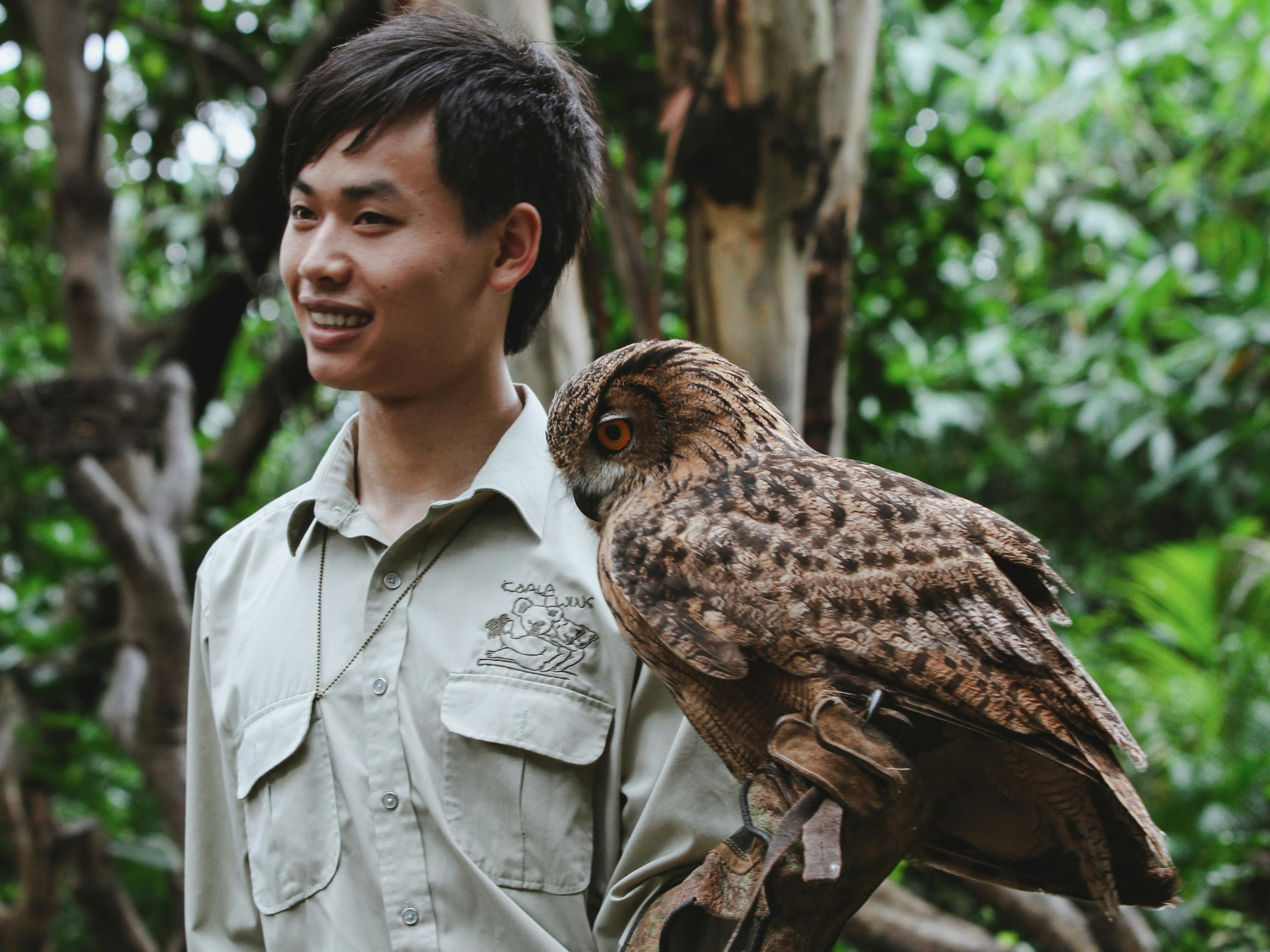
Zookeepers
SAFETY, CLARITY, EFFICIENCY, ACCOUNTABILITY
Zookeepers have to balance between caring for animals, educating visitors, and filling out paperwork. They rely heavily on clear, timely information to keep routines consistent.
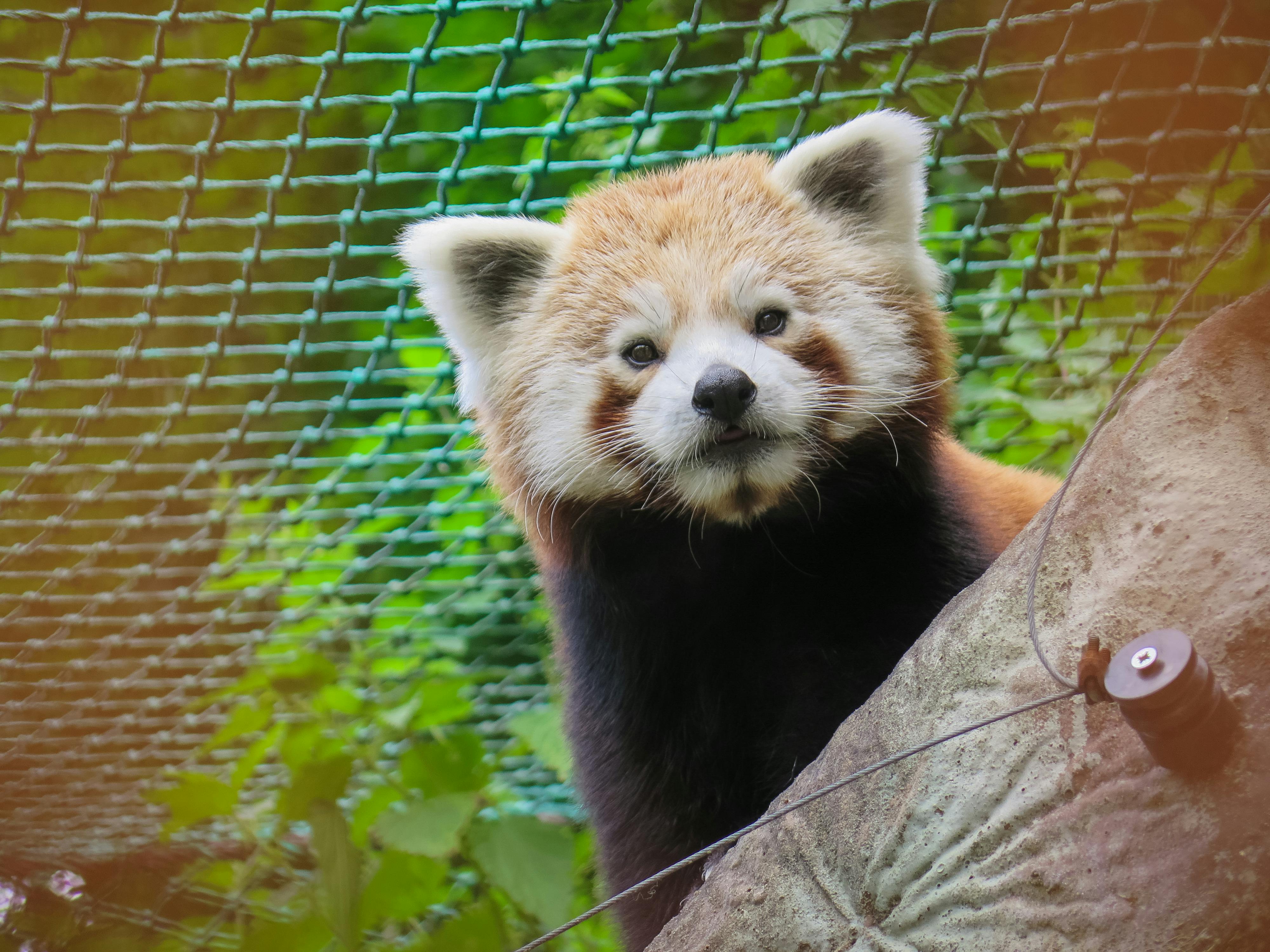
Animals
ACCESS TO CARE, HEALTH, ENRICHMENT, PREDICTABLITY
Animals depend on humans to maintain predictable feeding, cleaning, and enrichment routines. Their wellbeing is tied directly to how reliably tasks are completed by their zookeepers.
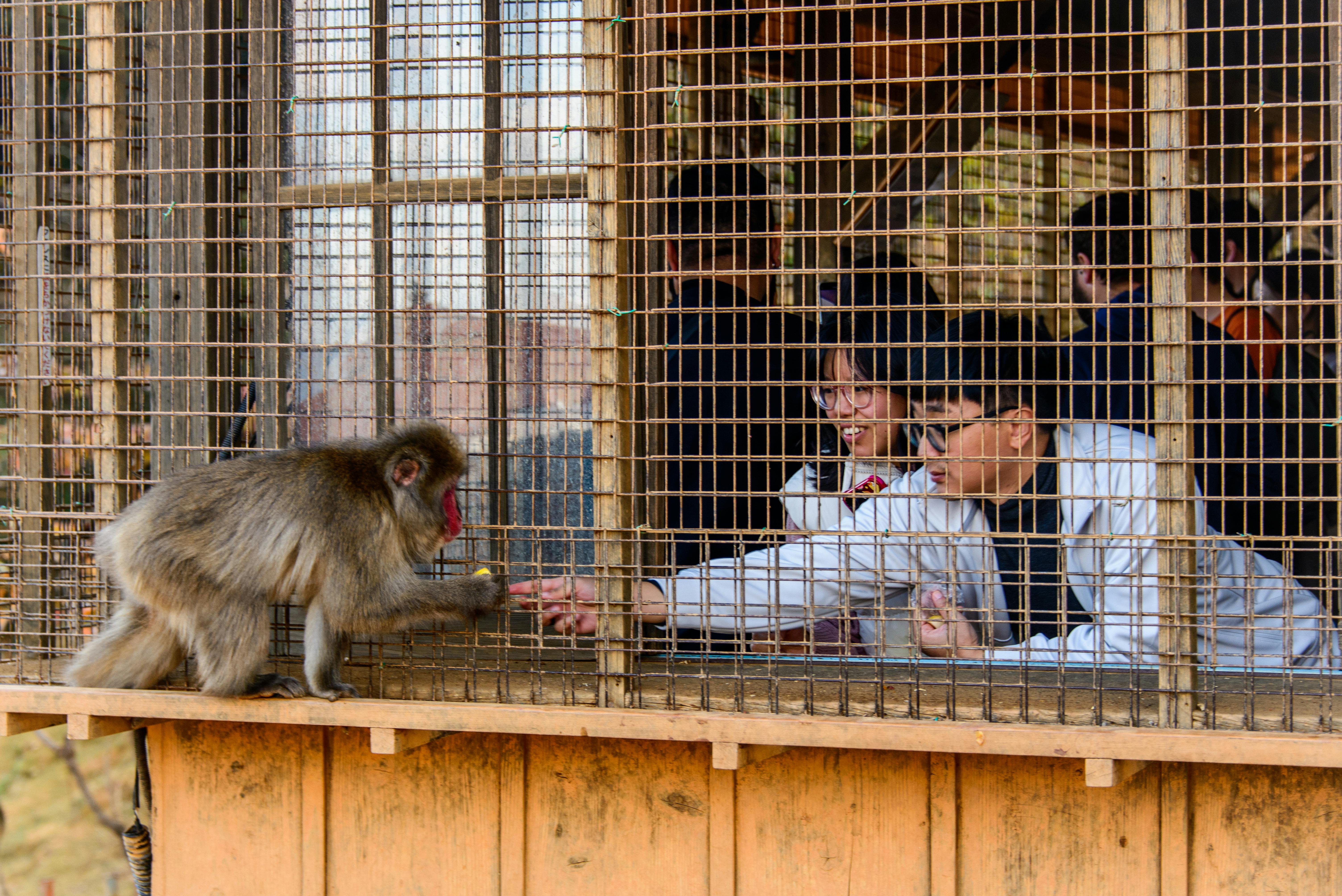
Visitors
ENJOYABILITY, EDUCATION, TRANSPARENCY
Those visiting the zoo expect animals to be well-cared and engaged in order to learn more about the natural environment and to enjoy their time.
VALUE SOURCE ANALYSIS
Empirical Investigation
To begin the project, we did a background research to figure out the general tasks and workflow of zookeepers.
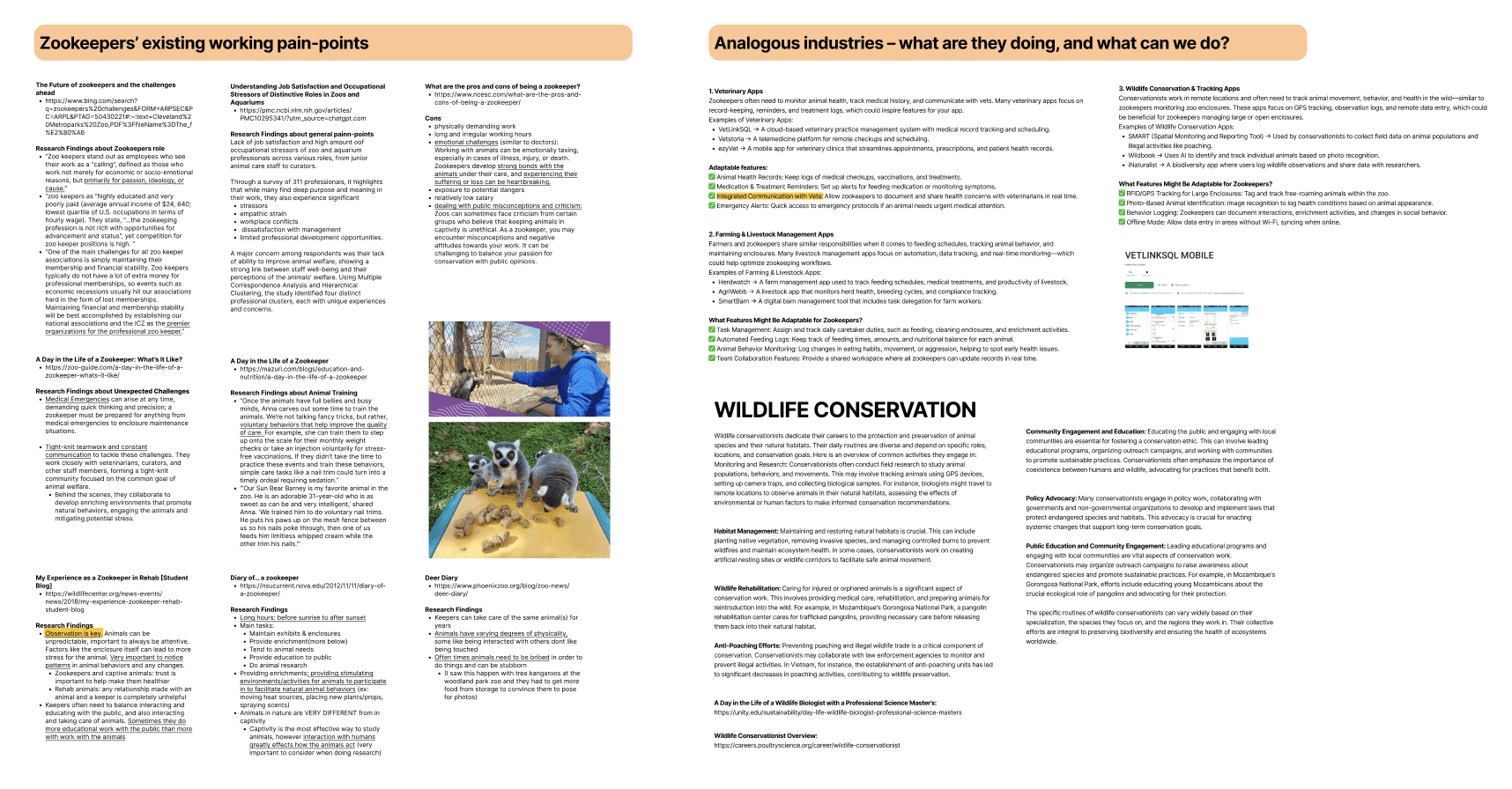
Preliminary Research
My team and I looked for articles & videos documenting the day-in-the-life of a zookeeper to understand their general tasks & workflows. On top of that, I did a tear down of existing zookeeping software.
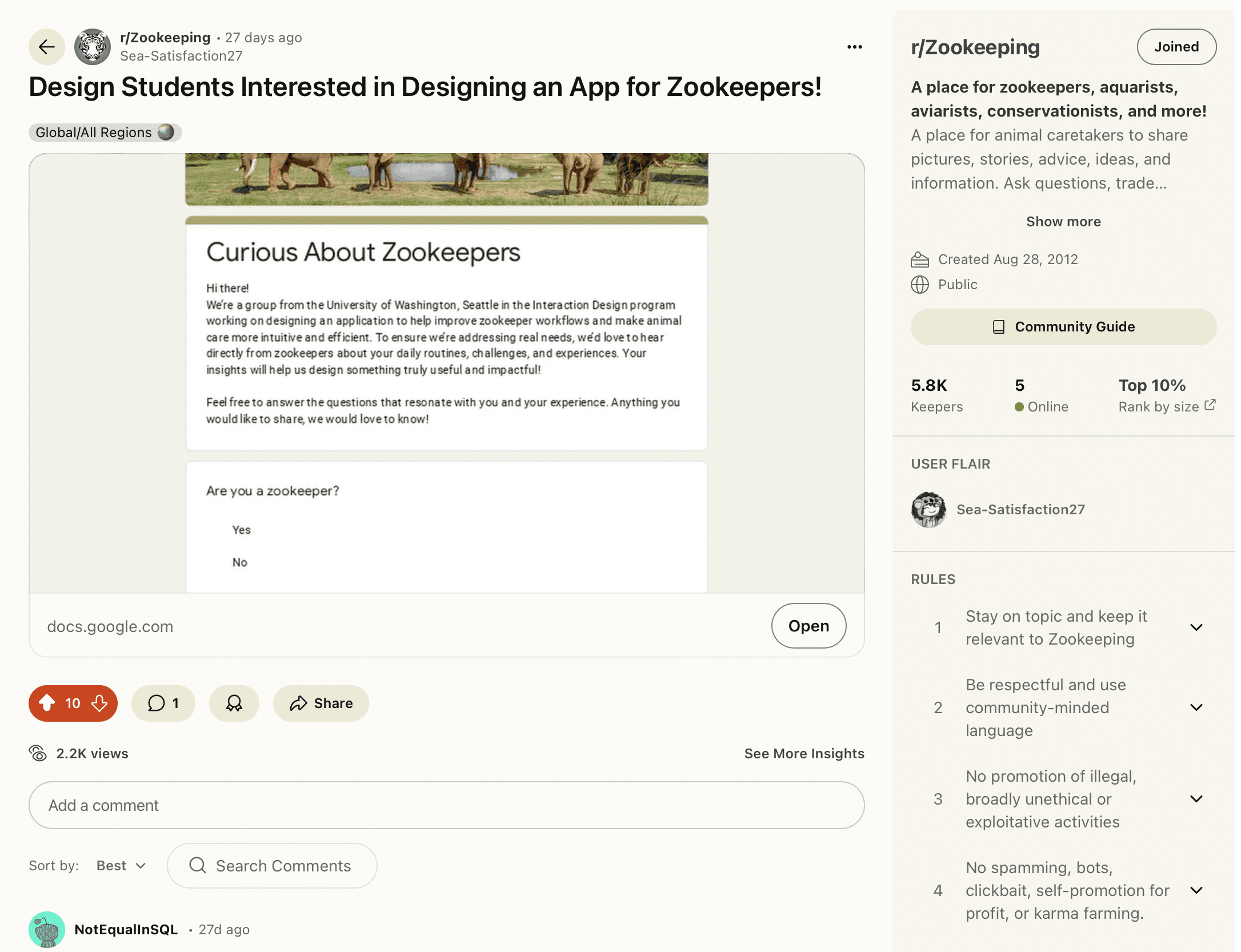
Reddit Survey
My teammate Jana created a general survey and posted it on r/zookeepers. We gained valuable first-hand stories from zookeepers, and one problem was constant, there is a big technology lag in zoos.
VALUE SCENARIO
Conceptual Investigation
After gathering our data, we further analyzed it and identified signature experiences and UX pillars within the value proposition pyramid. From this, we developed our key features.
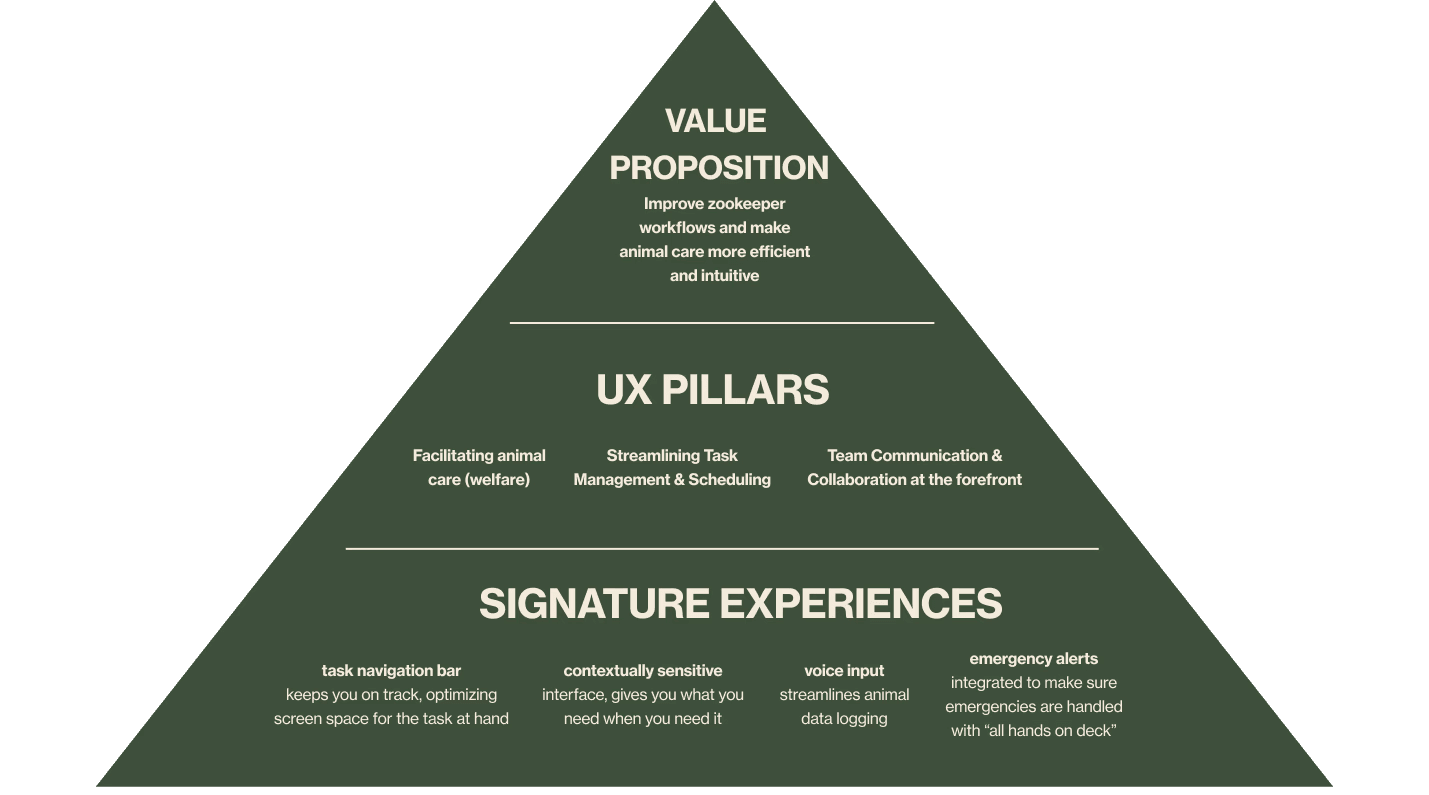
Technical Investigation
In order to get a better sense of the features that we are building, I conducted a competitive audit on ZooMonitor, an app used to track enrichment activities.
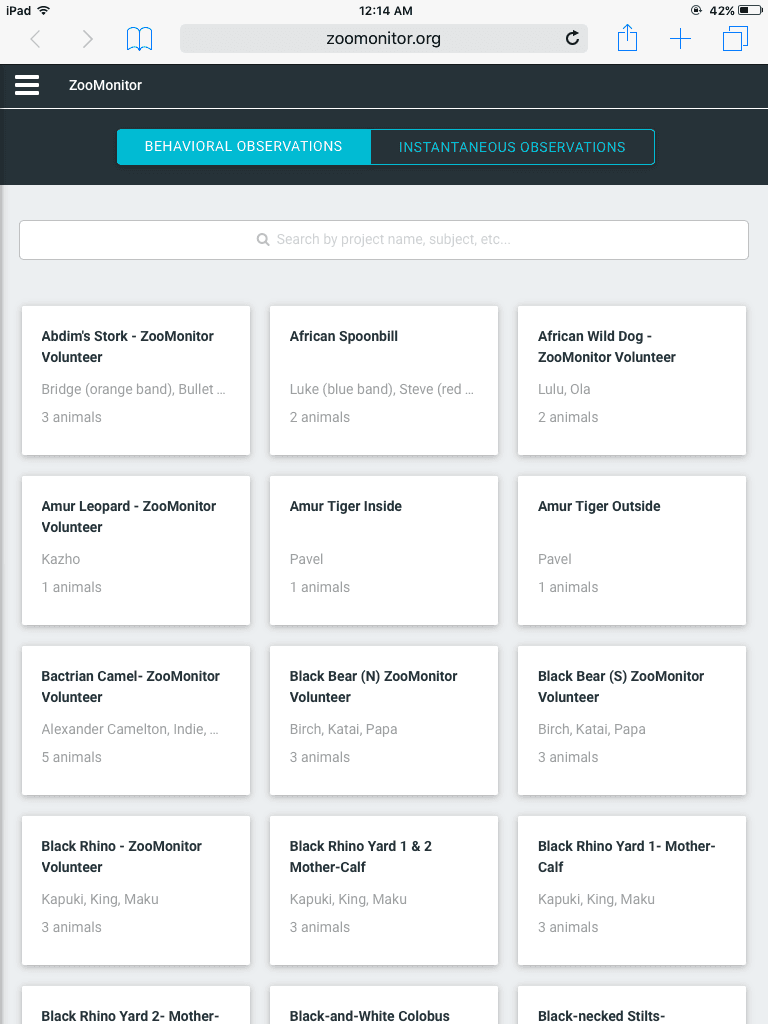
“It's not as user friendly as it could be. The web interface is messy compared to other sites.”
Survey response regarding Zoomonitor
REFLECTION
Reach out earlier
Our Reddit survey was a success at getting us general responses from many Zookeepers nationwide. However, we wanted to interview a local Seattle zookeeper and reached out. Unfortunately, it was just too short of a notice given our timeframe.
Visualize your thoughts
Doing the pyramid activity was something brand new to me that was introduced by our instructor Bill Flora. It helped me think of the problem in a top-down approach and was beneficial for figuring out key features while keeping the user's values from our research in mind.
Back to Top